



Simulations to Solutions:
AI, FAIR Data, and Sustainable Scientific Careers
29. May 2026, University of Fribourg
Simulations to Solutions:
AI and FAIR Data for Drug Design
(S2S-AI-FAIR)
29. May 2026, University of Fribourg
Simulations to Solutions:
AI, FAIR Data, and Sustainable Scientific Careers
29. May 2026, University of Fribourg
Simulations to Solutions:
AI and FAIR Data for Drug Design
(S2S-AI-FAIR)
29. May 2026, University of Fribourg
This workshop brings together researchers from artificial intelligence, molecular simulation, and experimental science to explore how data-driven methods are reshaping drug discovery, environmental health, and global sustainability. Recent breakthroughs in generative AI and protein modeling now allow scientists to move across the full sequence–structure–function landscape—capturing not only static folds, but also molecular motion, resistance mutations, and drug-binding pathways. At the same time, decades of molecular-dynamics simulations have produced enormous amounts of valuable data that often remain difficult to reuse because shared FAIR infrastructures are still emerging.
By connecting AI-driven modeling with FAIR molecular-simulation resources, the workshop will open space for lively discussion and highlight real-world applications in:
1. Antimicrobials: using AI to uncover new ways to outsmart resistance and design antibiotics with novel modes of action.
2. Metabolomics: linking protein dynamics to metabolic networks to reveal vulnerabilities, biomarkers, and new therapeutic strategies.
3 . Environmental health: designing enzymes for bioremediation, from plastic degradation to PFAS remediation, and predicting how pollutants interact with biological systems.
Alongside the technical program, an open-discussion afternoon dedicated to Women in Science (WINS) will focus on the human side of research. The session will explore how growing global competition shapes scientific careers, how these pressures are experienced differently across communities and career stages, and how experimental and data-driven cultures are blending in modern laboratories.
The workshop invites the community to help build a future where FAIR data and responsible AI deliver better medicines and cleaner environments, while also supporting inclusive, resilient, and fulfilling scientific careers.
Furthermore a poster session will stimulate the interaction. The best academic poster will be awarded with the best poster prize (1x 100CHF).
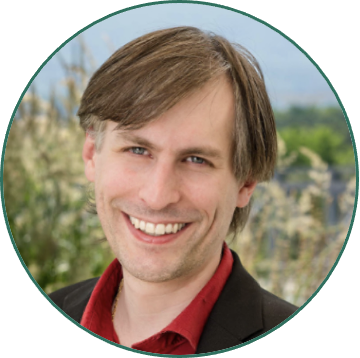
Dr. Julien Baglio
University of Basel
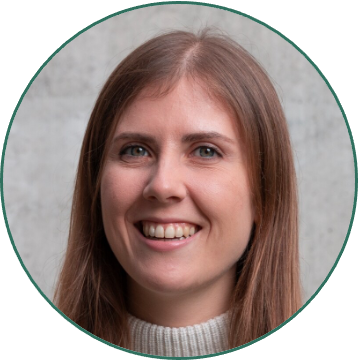
Dr. Jessica M. Clough
Adolphe Merkle Institute
Dr. Yelena Guryanova
University of Basel
Prof. Alke Fink
University of Fribourg
Prof. Sílvia Lacorte Bruguera
Spanish National Research Council
Dr. Philip Loche
EPFL Lausanne
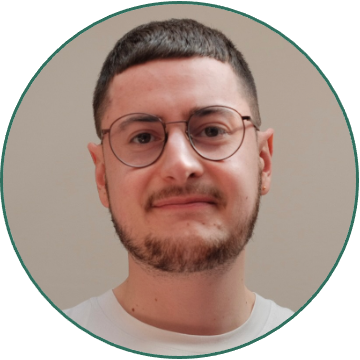
Dr. Markus Orsi
F. Hoffmann-La Roche
Prof. Alexander Pavich
University of Belgrade
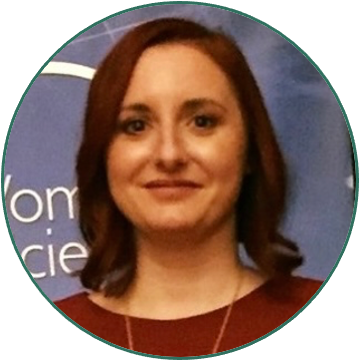
Prof. Julia Romanova
Sofia University
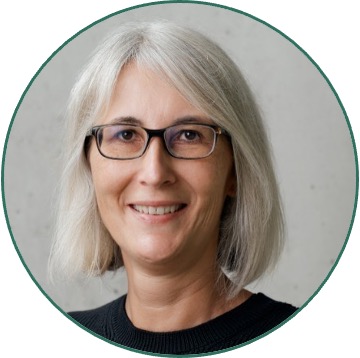
Prof. Barbara Rothen-Rutishauser
Adolphe Merkle Institute

Prof. Vera Slavejkova
University of Geneva
To all participants, speakers and invited guests:
Please note that requests for any organizational issues will only be made by OC members of the event or the SCS Head Office (...@scg.ch). We do not collaborate with travel agencies that claim to book travel and accommodation on our behalf. In case of any uncertainty, please contact info@scg.ch and make sure that there is no fraudulent activity going on.

Organizers
Prof. Marco Lattuada
University of Fribourg
Dr. Miroslava Nedyalkova
University of Fribourg
Symposium Sekretariat
SCS Head Office
info@scg.ch
+41 31 306 92 92
